
Flora in Panna
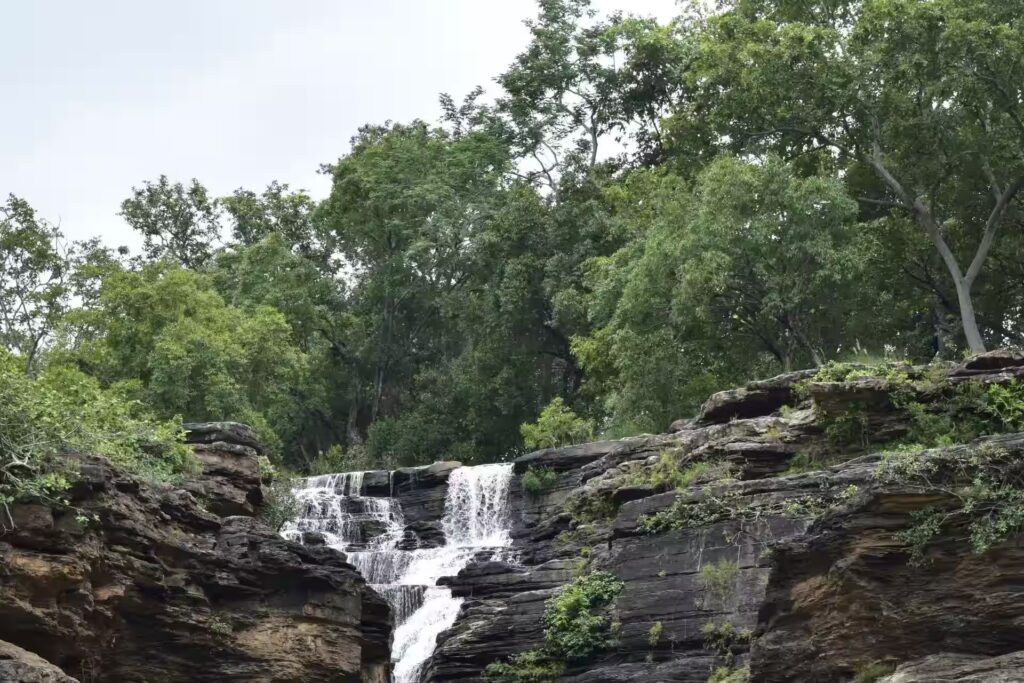
Panna National Park is known for its rocky plateaus, deep valleys, and the Ken River, but its vegetation is just as impressive. The park holds a wide mix of dry deciduous forests, grasslands, and riverine patches that support many animals and birds. From tall teak trees to small medicinal herbs, the flora of Panna plays a key role in keeping the forest healthy.
The forest cover here changes with the terrain. Some parts have thick tree growth, while others open into grassy slopes and sandy riverbanks. This natural mix creates a strong habitat for tigers, leopards, ungulates, birds of prey, and many smaller species.
Dominant Tree Species
Teak (Tectona grandis) is the most common tree in Panna. Its tall and straight trunks shape large parts of the forest. Teak forests offer clean visibility, which helps both wildlife and visitors.
Along with teak, you will find crops of Kardhai, Boswellia, Tendu, Palash, and crops of Bamboo in different pockets of the park.
Teak: Dominant in most zones, with strong and tall trunks.
Kardhai: Seen across rocky ground and hill slopes.
Tendu: Known for its use in local leaf collection and its dense green canopy.
Palash: Adds bright orange flowers during spring.
Bamboo: Provides shelter for herbivores and small mammals.
The river stretches also support Arjun, Jamun, and other moisture loving trees that thrive near the Ken River.
Grasslands and Open Areas
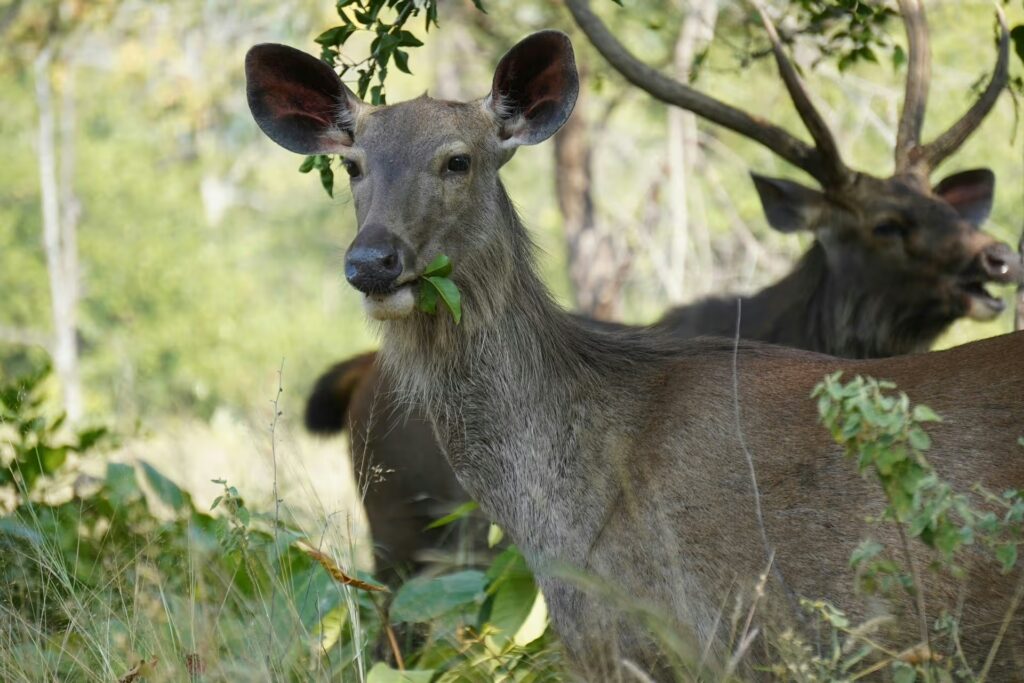
Panna has many open grassy slopes and river meadows. These spaces are important feeding grounds for herbivores like chital, sambar, nilgai, and chinkara.
Open areas also help predators, especially leopards and tigers, as they provide clear hunting paths.
The grasslands near the Ken River, plateaus, and cliffs hold different grass species that support insects, ground birds, and small mammals.
Medicinal and Lesser-Known Plants
Panna has a strong variety of medicinal plants used by local communities. Many of these grow in the buffer zone and on hill slopes.
You can find Amla, Khair, Bija, Baheda, and many shrubs that villagers use in traditional remedies. There are also flowering plants that appear during summer and post monsoon, adding colour to the forest floor.
Major Flora of Panna – Common and Botanical Names
| Common Name(s) | Scientific Name |
|---|---|
| Teak | Tectona grandis |
| Kardhai | Anogeissus pendula |
| Tendu | Diospyros melanoxylon |
| Palash | Butea monosperma |
| Khair | Acacia catechu |
| Bija | Pterocarpus marsupium |
| Bamboo | Dendrocalamus strictus |
| Arjun | Terminalia arjuna |
| Amla | Emblica officinalis |
| Baheda | Terminalia bellirica |
| Jamun | Syzygium cumini |
| Neem | Azadirachta indica |
Seasonal Changes in Vegetation
Winter (November to February)
Forests stay pleasant with green cover and clear views. Riverine areas remain active with birds and small plants.
Summer (March to June)
Trees shed leaves and visibility increases. Palash blooms during this period, and teak forests appear more open.
Monsoon (July to September)
The entire park turns green. Fresh shoots, new grass, and thick foliage cover the slopes and valleys. The forest looks completely renewed when it reopens.
Panna Best Selling Packages
5 Nights / 6 Days
Panna – Khajuraho Safari Tour
11 Nights / 12 Days
Panna, Satpura & Pench Safari
5 Nights / 6 Days
Panna, Khajuraho & Orchha Tour
6 Nights / 7 Days
Panna & Bandhavgarh Safari Tour
FAQs – Flora in Panna
What is the most common tree in Panna
Teak is the dominant tree species across most parts of the park.
Why are grasslands important in Panna
They support herbivores and offer hunting grounds for predators. They also help visitors see wildlife clearly.
Can visitors see flowering trees in Panna
Yes, Palash, Amaltas, and many riverine plants bloom in summer and pre monsoon seasons.
Are there medicinal plants in Panna
Yes, many shrubs, herbs, and trees like Amla, Baheda, and Khair have medicinal uses and grow in the buffer zones and hills.