Why Summer Works for Wildlife Viewing in Panna
As temperatures rise, animals reduce random movement and focus on water. This natural shift brings wildlife closer to riverbanks, ponds, and remaining waterholes.
In Panna, the Ken River becomes a major lifeline during summer. Tigers, leopards, deer, and even smaller mammals often pass through nearby areas, increasing the chances of sightings. The forest may look dry, but activity stays high.
Summer is less about scenic beauty and more about understanding animal behaviour.
Summer Weather in Panna: What It’s Really Like
Daytime temperatures in summer usually range between 35°C and 45°C, especially in May and early June. Mornings are cooler and more comfortable, while afternoons can feel harsh.
The heat is real, but safaris are timed carefully to avoid peak sun hours. Forest vehicles move slowly, and guides plan routes around shade and water sources.
If you are prepared for the heat, it does not ruin the safari experience.
How Wildlife Moves During the Hot Months
Summer simplifies wildlife movement. Instead of spreading across large areas, animals follow predictable patterns:
- Frequent visits to water bodies
- Shorter movement ranges
- Resting in shaded zones during midday
This predictability helps experienced guides track animals more effectively, especially during morning safaris.
Tiger Sightings in Summer: What to Expect
Summer often improves the possibility of tiger sightings, but it never guarantees them.
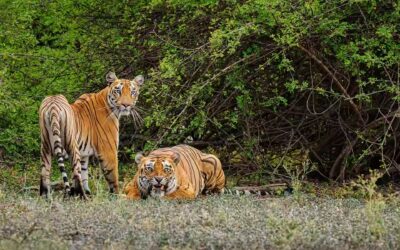
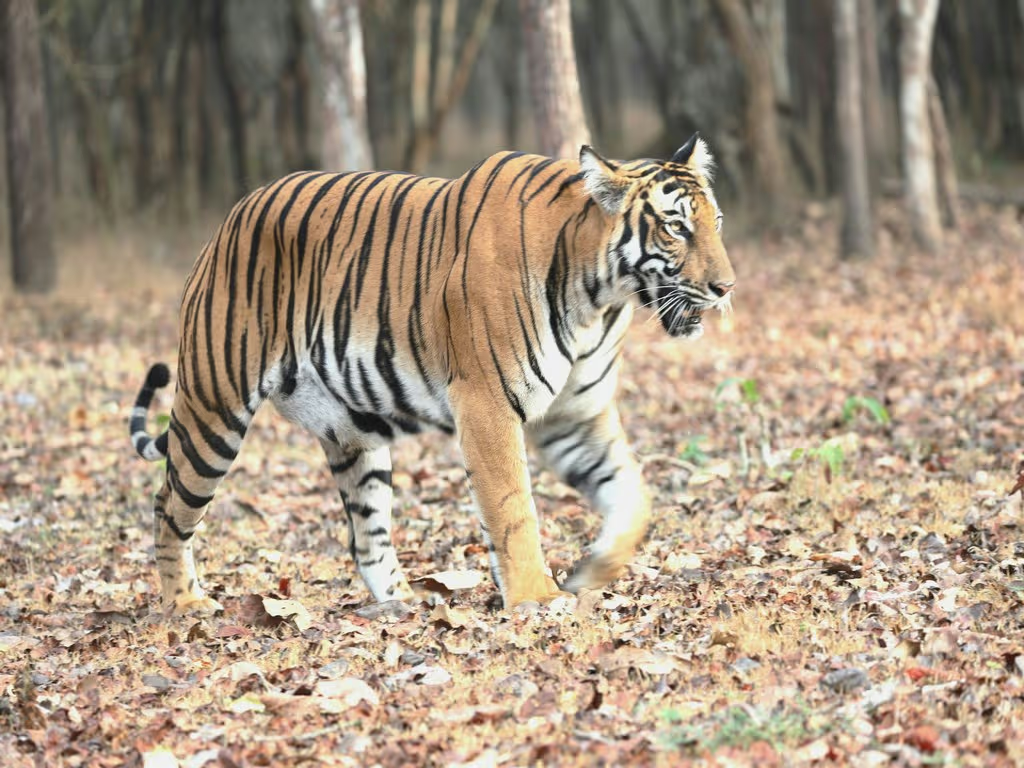
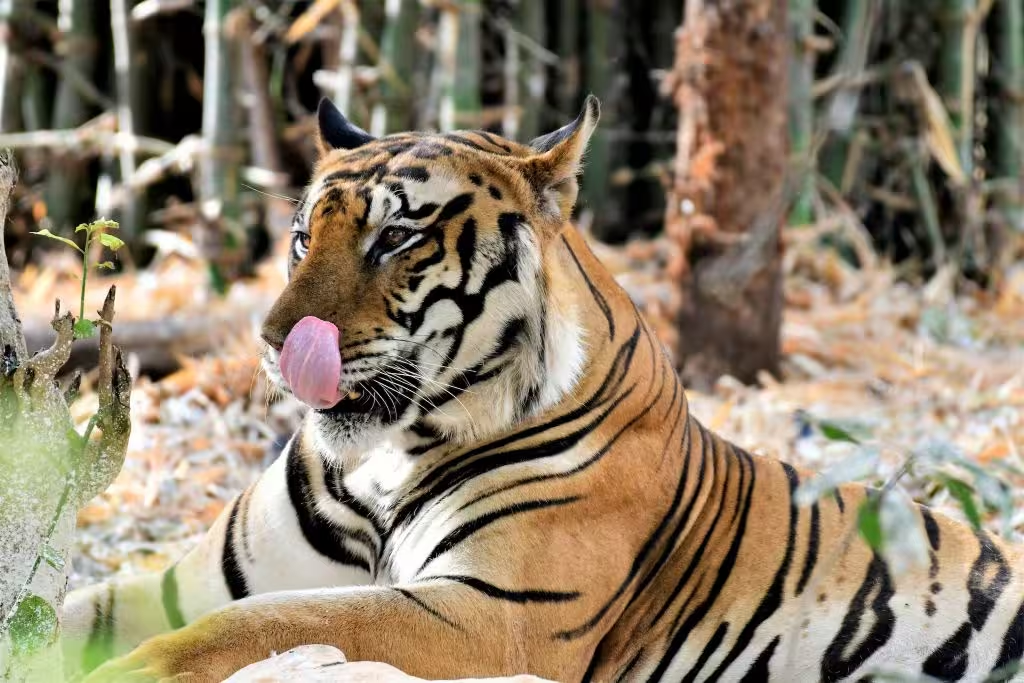
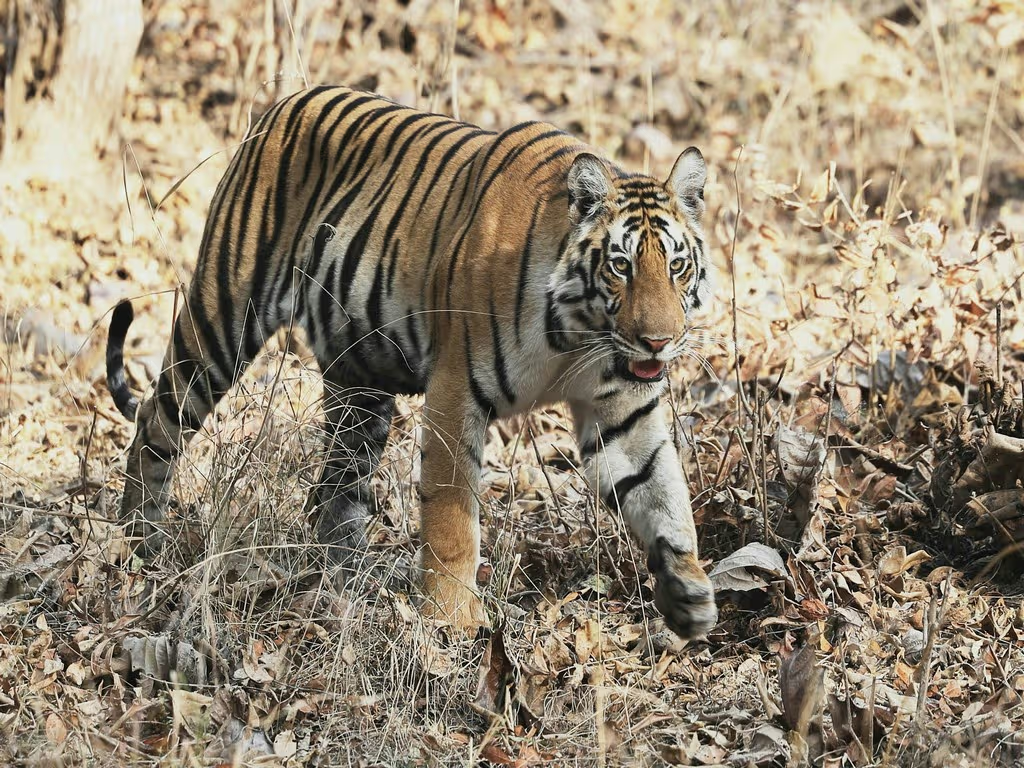
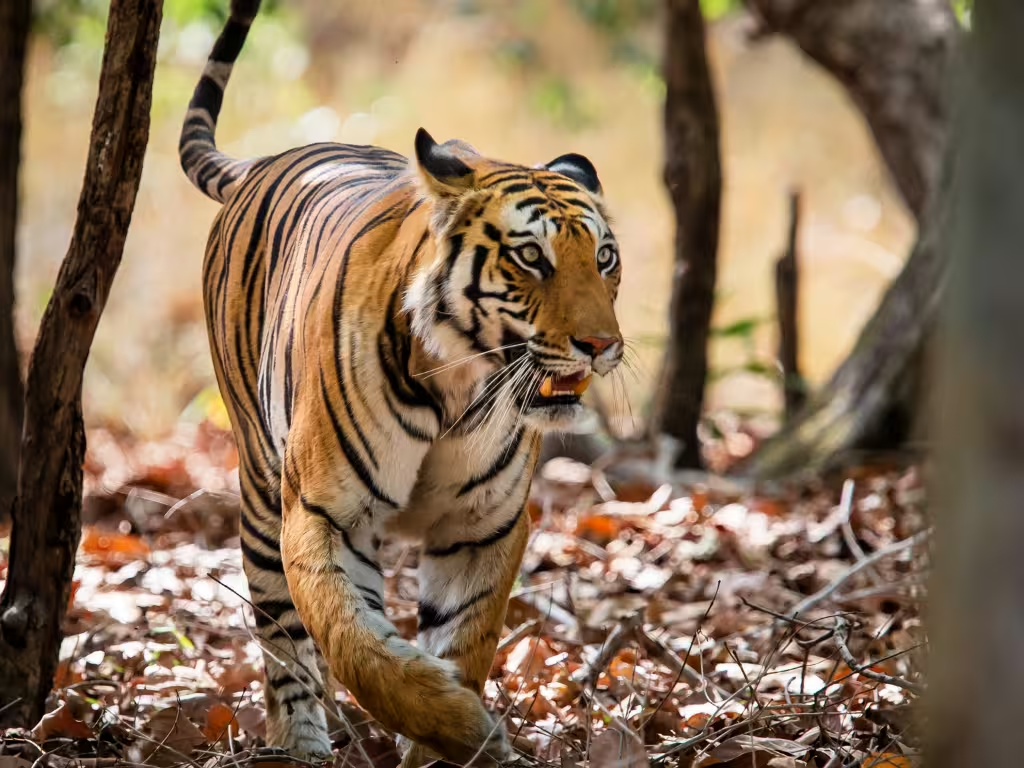
Tigers in Panna rely heavily on water during the hot months. They are often seen walking along riverbeds, resting near waterholes, or crossing tracks early in the morning.
What improves in summer:
Clear visibility due to dry vegetation
Better tracking of pugmarks
More consistent movement patterns
What does not change:
Tigers remain wild and unpredictable
Every safari is still a matter of chance
Other Animals Commonly Seen in Summer
Summer safaris in Panna are not only about tigers. Many other species become easier to spot:
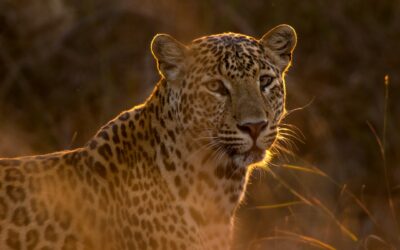
- Leopards, especially near rocky terrain
- Sloth bears, active during early hours
- Gharial and mugger crocodiles along the Ken River
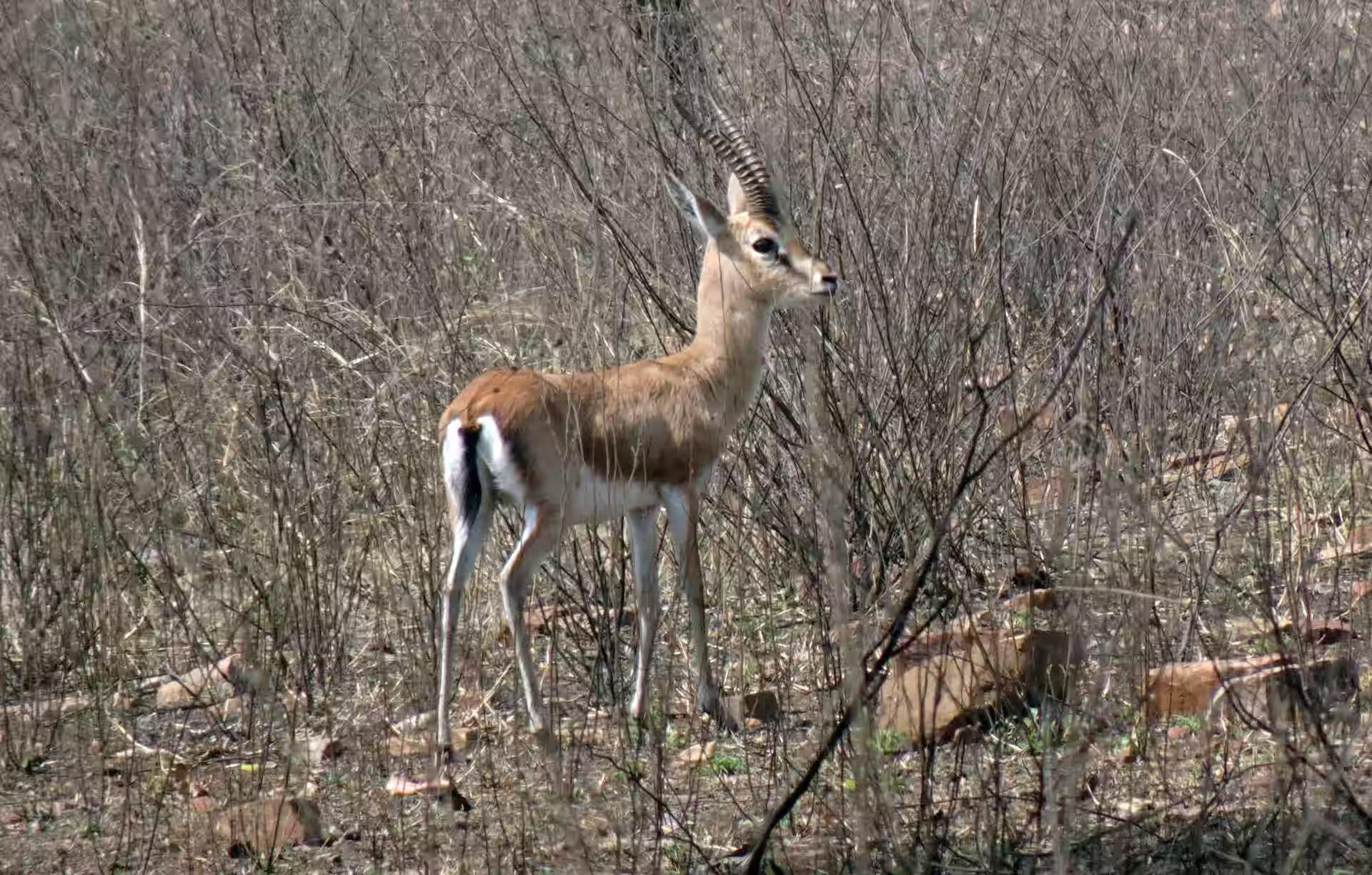
- Spotted deer, sambar, and nilgai near water
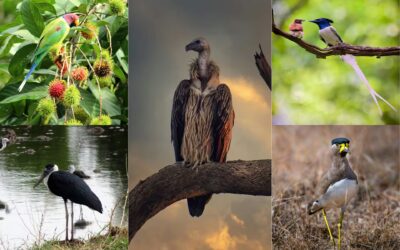
- Increased bird activity around shrinking wetlands
The dry season brings focus to the river ecosystem, which adds variety to the safari.
Madla vs Hinouta Zones in Summer
Madla Zone
- Closer to the Ken River
- Better chances of crocodile and riverbank sightings
- Slightly busier due to popularity
Hinouta Zone
- Quieter routes
- Mixed forest and grassland
- Good movement of herbivores and occasional predators
Both zones perform well in summer. The experience depends more on timing and guide knowledge than zone selection alone.
Safari Timings and Heat Management
Panna operates morning and afternoon safaris in summer.
Morning safaris are generally more comfortable and productive. Animal movement is higher, and temperatures are manageable.
Afternoon safaris can still be rewarding but require patience and heat tolerance. Guides often focus on shaded routes and water zones during these drives.
What to Wear and Carry on a Summer Safari
Being prepared makes a big difference in summer:
- Light cotton clothing in neutral colours
- Hat or cap and sunglasses
- Sunscreen and a reusable water bottle
- Camera protection from dust and heat
Avoid heavy bags. Keep essentials minimal and accessible.
Booking Safaris During the Summer Season
Summer sees a mix of demand. While weekends and holidays still fill up, weekdays often have better availability.
Advance booking is recommended, but last-minute options like single seat permits and tatkal quotas can also work in summer due to cancellations and lower overall tourist numbers.
Planning with flexibility helps.
Common Mistakes First-Time Summer Visitors Make
- Avoiding summer altogether due to fear of heat
- Expecting lush greenery instead of wildlife action
- Skipping morning safaris
- Not carrying enough water
Summer rewards preparation more than comfort-seeking.
Is Summer a Good Time to Visit Panna?
Summer is ideal for:
- Wildlife enthusiasts focused on animal sightings
- Photographers who prefer clear visibility
- Visitors who understand forest behaviour
It may not suit:
- Travelers sensitive to heat
- Those looking for scenic landscapes
If your goal is wildlife movement rather than green views, summer in Panna delivers exactly that.