
Wildlife Photography in Panna
Wildlife Photography in Panna National Park
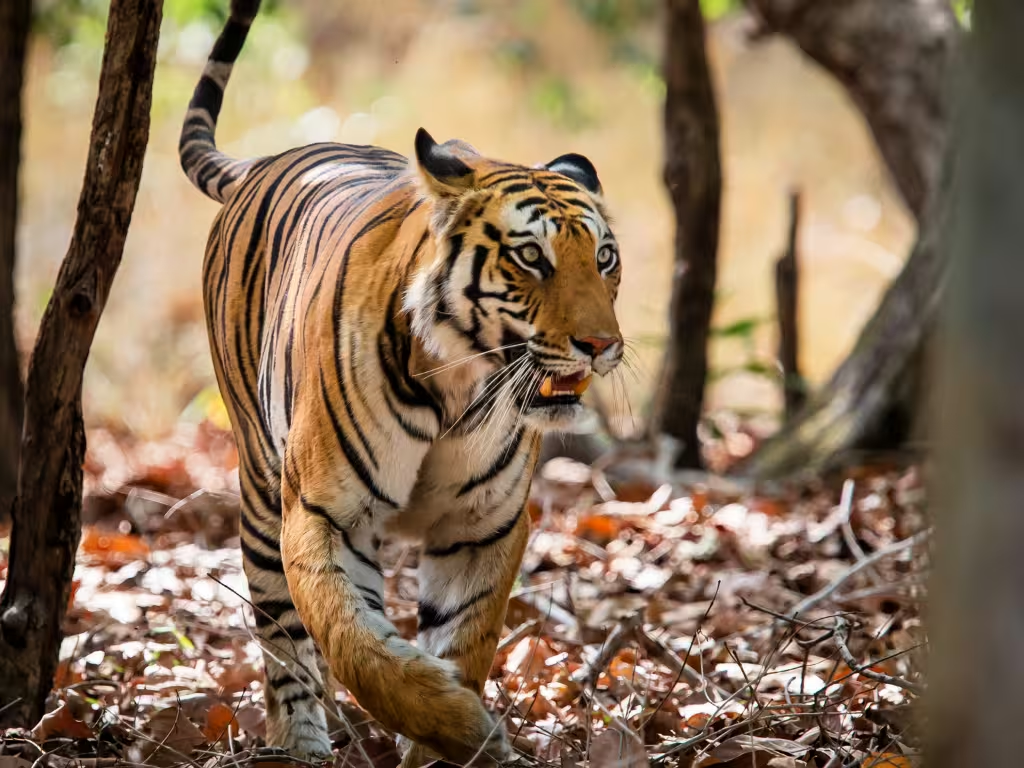
Panna National Park is a great destination for wildlife photography. Its rocky hills, river valleys, teak forests, and open plateaus create many beautiful frames. The Ken River adds a unique touch, giving photographers a chance to capture both land and river wildlife in one trip. From leopards on cliffs to gharials resting on sandbanks, every safari offers new angles and fresh stories.
Why Panna is Perfect for Wildlife Photography
Panna’s landscape is diverse and dramatic.
You get wide plateaus, steep cliffs, deep gorges, and flowing river stretches. These natural elements create strong backgrounds for wildlife shots.
The park is home to a rich mix of animals, including:
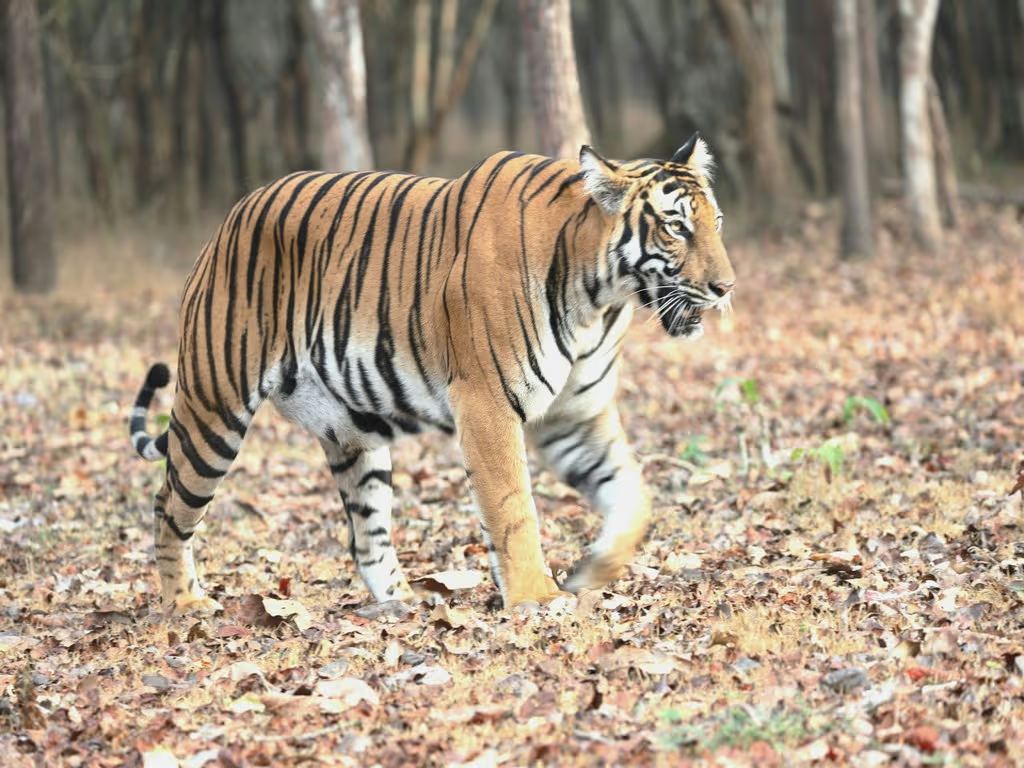
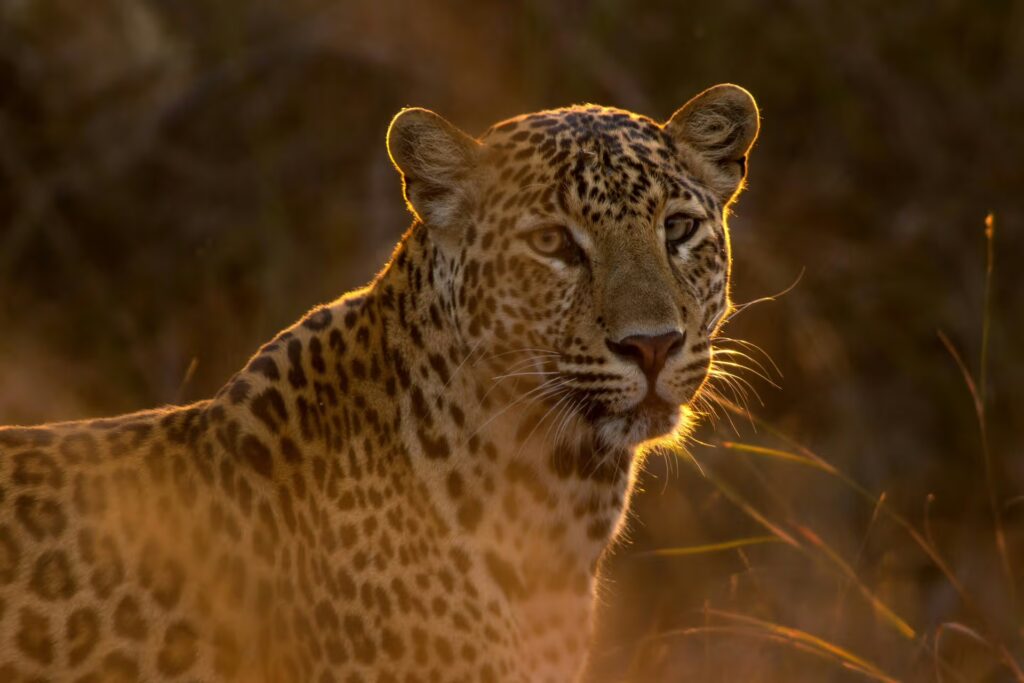
- Tigers and Leopards – Common in rocky areas and plateaus.
- Sloth Bears – Good for behaviour and movement shots.
- Chital, Sambar, Nilgai, and Chinkara – Ideal for open forest compositions.
- Gharials and Crocodiles – Special subjects along the Ken River.
- More than 250 Bird Species – Vultures, kingfishers, owls, and flycatchers.
This combination of river habitats and dry deciduous forests makes Panna different from other central Indian reserves.
Best Zones for Photography
-
Madla Zone Great for open forest shots, herbivores, and river views. Tigers and leopards often use these trails.
-
Hinouta Zone Ideal for photographing open landscapes, birds, and ungulates. The plateaus offer wide backgrounds and soft morning light.
-
Kishangarh and Akola (Buffer Zones) Perfect for leopard photography and raw landscape shots. These zones have fewer vehicles and offer quiet moments.
-
Jhinna Zone Excellent for river photography, including gharials, crocodiles, and water birds.
Exploring more than one zone helps you capture Panna’s variety.
Tips for Wildlife Photography in Panna
- Use a Telephoto Lens A 200mm lens or higher helps you photograph animals from a safe distance.
- Shoot During Golden Hours Sunrise and sunset give warm light, clear views, and active wildlife.
- Be Patient Predators in Panna often blend with rocky terrain. Waiting quietly increases your chances of good shots.
- Respect Wildlife Keep distance, avoid sudden movements, and do not disturb animals for a shot.
- Carry Essentials Extra batteries, memory cards, a beanbag or monopod, and binoculars can help during long safaris.
Best Seller Packages
5 Nights / 6 Days
Panna – Khajuraho Safari Tour
11 Nights / 12 Days
Panna, Satpura & Pench Safari
5 Nights / 6 Days
Panna, Khajuraho & Orchha Tour
6 Nights / 7 Days
Panna & Bandhavgarh Safari Tour
Capture Memories that Last a Lifetime
Whether you are an amateur or a professional, Kanha National Park offers a rich canvas for wildlife photography. Every safari brings a chance to photograph tigers in the wild, barasingha grazing in the morning mist, or flocks of birds in action.
FAQs – Wildlife Photography in Panna
Is Panna good for wildlife photography
Yes. Panna offers river views, cliffs, plateaus, and a healthy mix of wildlife, which gives many unique photographic angles.
What is the best time of day for photography
Early morning and late afternoon provide soft light and active wildlife.
Which zones are best for photography
Madla and Kishangarh for big cats, Hinouta for landscapes and herbivores, and Jhinna for river wildlife.
Can I use a camera on jeep or canter safaris
Yes. Cameras are allowed on both. Jeeps offer closer access, while canters provide a stable height for wider frames.
How many safaris should I plan
Plan at least 2 to 3 safaris to capture varied landscapes and animals in different lighting conditions.
Are drones allowed in Panna
No. Drones are strictly banned inside the park.